THE MERCHANT'S HOUSE MUSEUM
History preserved. A family remembered. And perhaps, some residents who never left.
At 29 East Fourth Street in Manhattan stands a house that shouldn't really exist anymore.
New York grew around it. Neighborhoods changed. Buildings rose and disappeared. Generations came and went.
And somehow, the Merchant's House remained.
Built in 1832, the house survives today with its architecture, rooms, furnishings, personal possessions and remarkably intimate traces of the family who called it home for nearly a century. The Museum describes it as New York City's only 19th-century family home to survive intact, inside and out.
But preservation is only part of the story.
Because for generations, people inside this house have reported things that history alone cannot easily explain.
Footsteps.
Voices.
Unexplained sounds.
Doors moving.
Unusual smells.
And, occasionally, the unmistakable impression that someone else is in the room.
The question that has followed the Merchant's House for decades is remarkably simple:
Did everyone who lived here actually leave?
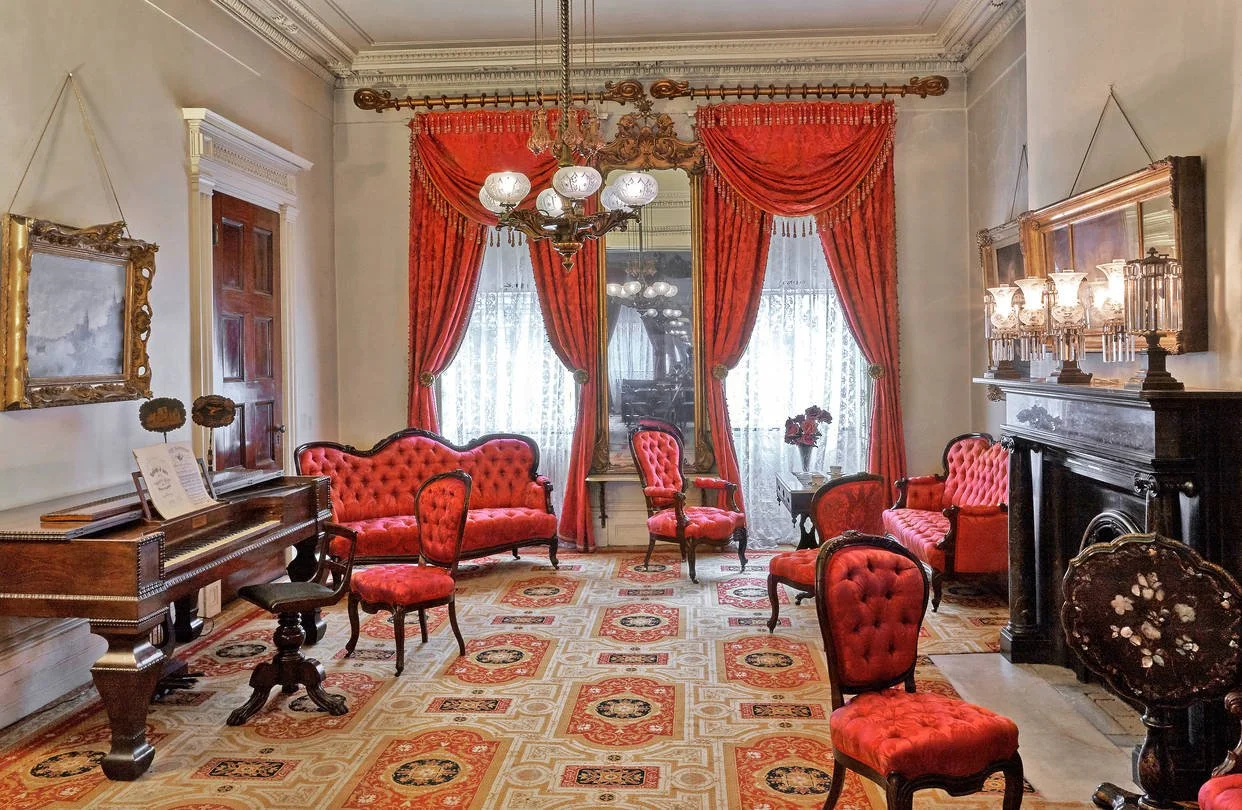
Architecturally, the Merchant's House is exceptional.
Its 1832 exterior represents the late Federal style, while its interiors demonstrate the emerging Greek Revival style. Its remarkable preservation eventually earned recognition at virtually every level of historic designation.
When New York City's Landmarks Preservation Commission began designating properties following passage of the city's landmarks law, the Merchant's House was among the first buildings selected and the first designated landmark in Manhattan.
In 1966, it became a National Historic Landmark.
It was subsequently listed on the National Register of Historic Places, and in 1981 New York City took the extraordinary additional step of designating the interior as a landmark as well. Today, the Museum notes that only a tiny number of New York City's interior landmarks are residences. That makes the Merchant's House something increasingly rare in New York:
A building where the exterior survives. The interior survives. The possessions survive.
And the family's presence can still be felt throughout the rooms. Perhaps more literally than anyone expected.
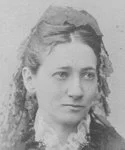
Gertrude Tredwell
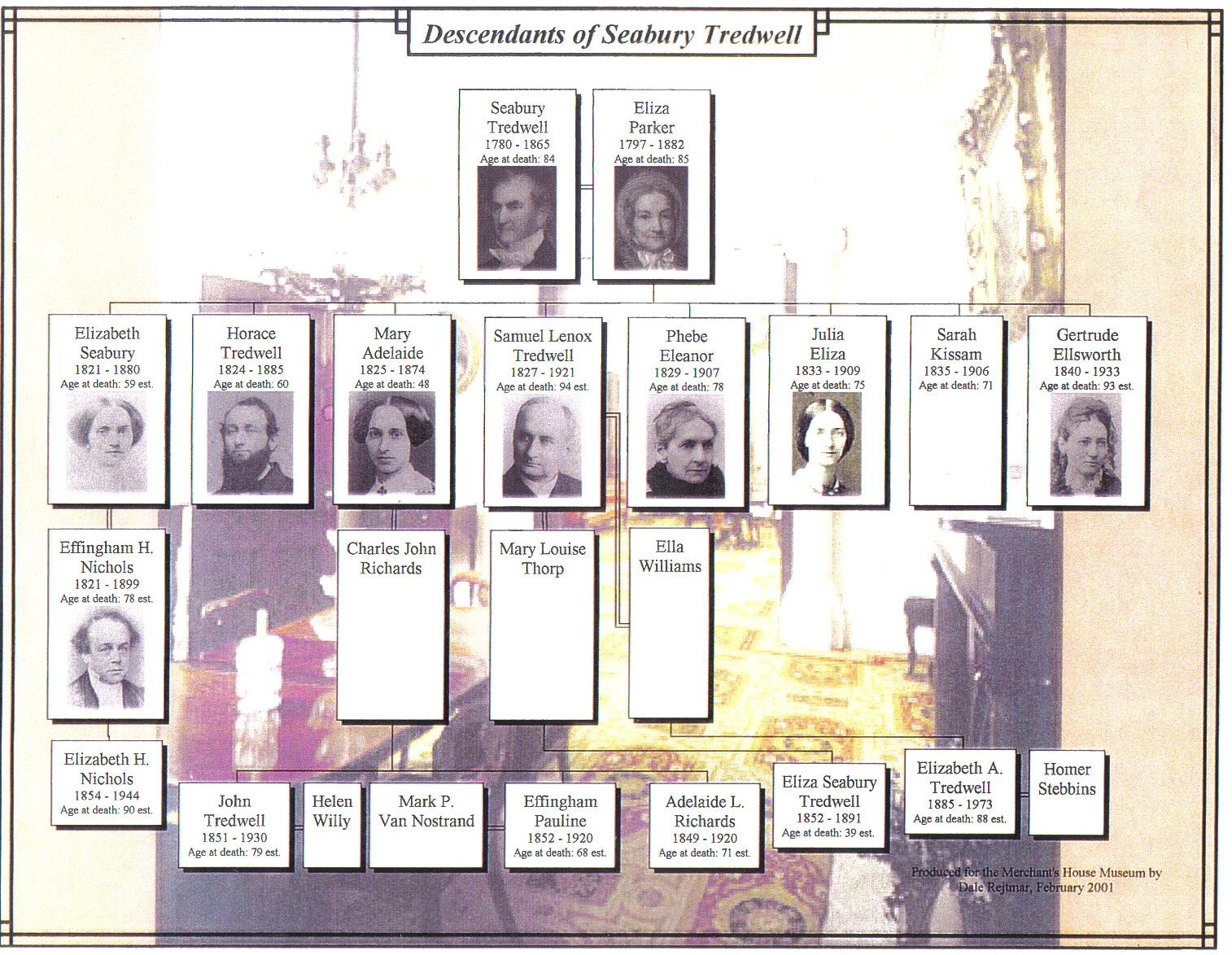
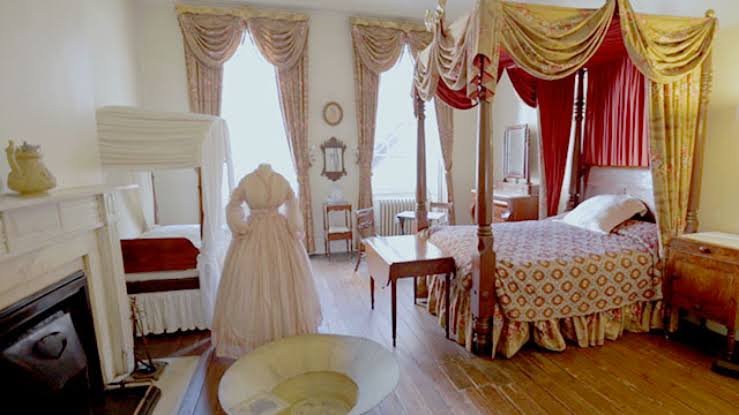
Born in an upstairs bedroom in 1840, Gertrude was the youngest of the Tredwells' eight children.
She never married. She never moved away. For 93 years, the Merchant's House was Gertrude's home. She died there in 1933, the last Tredwell to occupy the house.
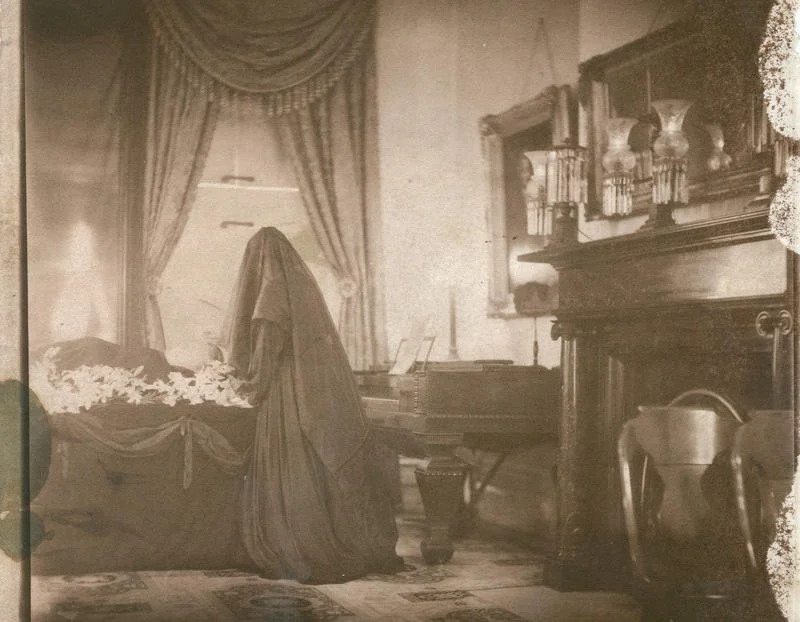
Three years later, the building opened as a museum. And almost immediately, another history of the Merchant's House began to take shape.
Its ghost history.
My relationship with the Merchant's House began in 2006.
What started as an investigation became something I never expected: an ongoing research project and a relationship with one of the most extraordinary historic properties in New York City.
Nearly twenty years later, I'm still investigating it.
I've spent countless hours inside the house—during investigations, experiments, public programs and nights when the building was closed and quiet.
And if there's one lesson the Merchant's House has taught me, it's this: Never assume you know what you're dealing with. I don't go into the house trying to prove it's haunted.
That's backwards…
The job is to document what happens, eliminate the things we can explain and then take a serious look at whatever remains. Sometimes technology behaves badly. Sometimes people misinterpret perfectly ordinary events. Sometimes a strange noise is an old building being an old building.
And sometimes...
ALMOST TWENTY YEARS LATER
I've investigated many locations.
The Merchant's House is different.
Part of that difference comes from the extraordinary preservation of the building. When you stand in those rooms late at night, you're standing among the possessions of people who actually lived there.
Their furniture. Their clothes. Their photographs. Their books. Their bedrooms. Their home.
There is very little distance between the present and the past.
An academic study of the Museum has even examined this unusual relationship between historic preservation and haunting, describing how stories of the Tredwells' continuing presence help maintain the feeling that this is still a home, rather than merely a collection of historic rooms.
After nearly two decades there, I've accumulated recordings, observations, experiments and experiences that I still think about. Some have explanations. Some probably have explanations we simply haven't found yet.
And a few I can't explain.
That's why I keep going back. Not because I need the Merchant's House to be haunted.
Because after almost twenty years of asking questions inside 29 East Fourth Street, I'm still not finished asking them.
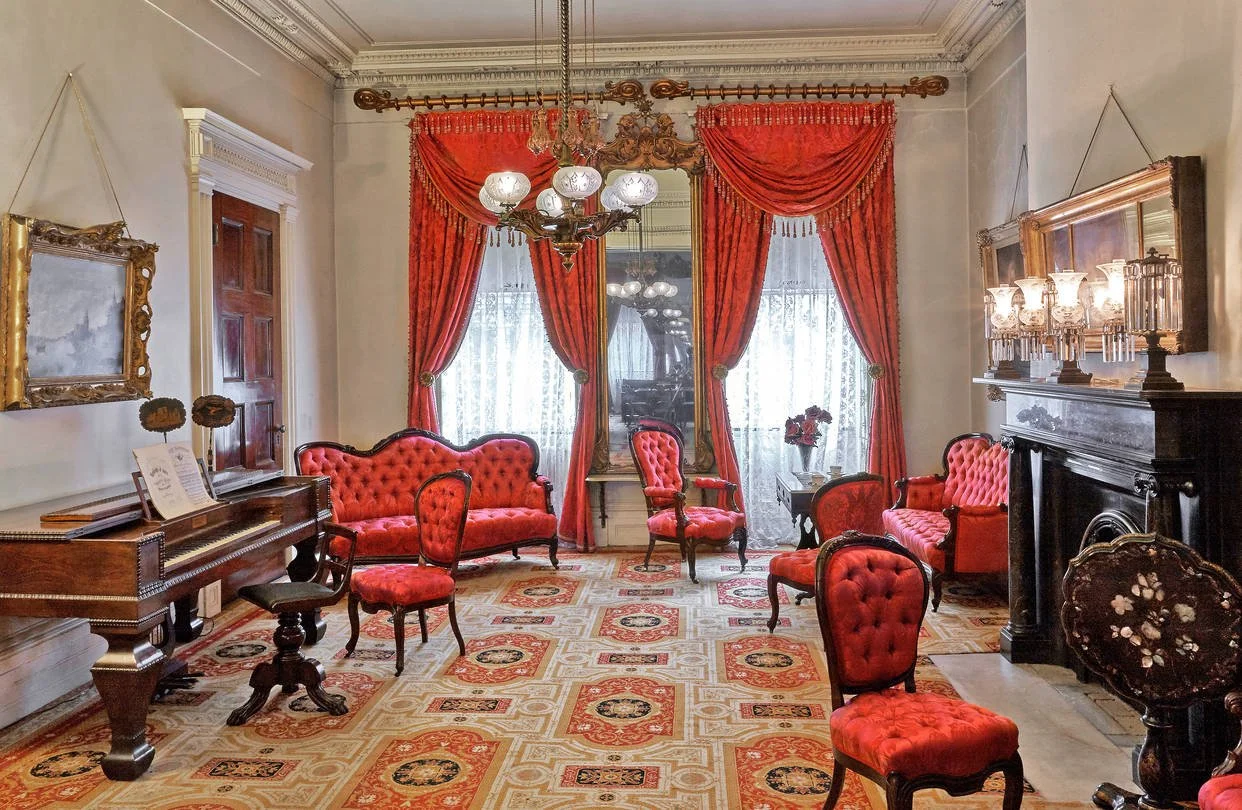
A HOUSE FROZEN IN TIME
The house was constructed in 1832 by Joseph Brewster, a hatter and real-estate speculator, during a period when this part of Manhattan was still developing as a fashionable residential neighborhood.
Three years later, in 1835, prosperous hardware merchant Seabury Tredwell purchased the property and moved in with his wife, Eliza, their children and Irish domestic servants.
The Tredwells would remain associated with the house for almost 100 years. And that's what makes the Merchant's House extraordinary. This isn't a reconstructed approximation of a wealthy 19th-century New York residence.
This is their house.
The Museum preserves more than 3,000 objects belonging to the Tredwell family; furniture, clothing, photographs, books, decorative arts, household objects and personal belongings. Among the collection are mahogany chairs attributed to celebrated cabinetmaker Duncan Phyfe, original gas chandeliers and dozens of dresses and accessories worn by the women of the family.
Walk through the rooms and you're not simply looking at period antiques assembled by curators.
You're looking at their things, in their home.
And that distinction becomes particularly interesting when we begin talking about the haunting.
A NATIONAL TREASURE INSIDE AND OUT
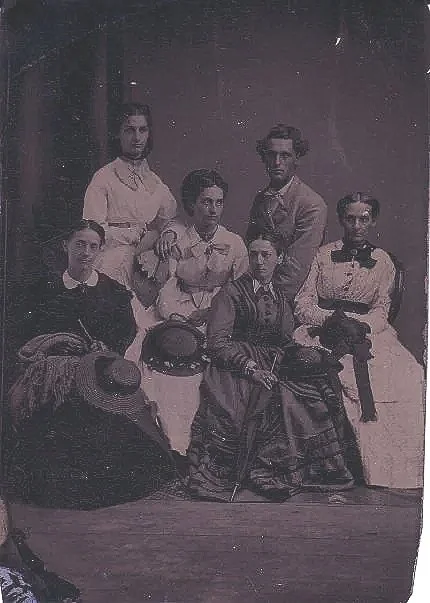
THE TREDWELLS
Seabury and Eliza Tredwell raised a large family in the house. Their children grew up within these rooms while generations of Irish women worked behind the scenes maintaining the household.
Births, illnesses, celebrations, arguments, marriages, mourning and deaths all occurred beneath this roof. The Museum notes that at least eight people died in the house. But one member of the family would become inseparable from the story of 29 East Fourth Street.
SOME SAY THEY NEVER LEFT
Stories of unexplained activity at the Merchant's House have circulated since the 1930s.
And these aren't simply legends manufactured decades later to sell Halloween tickets.
Over the years, museum employees, volunteers, visitors, neighbors and even people passing outside the building have reported unusual experiences.
Sightings. Sounds. Voices. Unexplained smells. Footsteps in apparently empty rooms. The sensation, or sight, of someone moving through the house when no one should be there.
Gertrude became the figure most commonly associated with these reports. Perhaps that's inevitable. She was born there. She spent her entire life there. She died there.
The house was the one constant in her ninety-three years. If someone were going to remain behind to keep an eye on the place...
Gertrude would certainly be a reasonable suspect.
But after years of investigation, I believe the story of the Merchant's House is considerably more complicated than simply saying:
"It's Gertrude."
INVESTIGATING THE MERCHANT'S HOUSE
WHEN THE HOUSE WENT QUIET
Then came 2020.
The COVID shutdown created an opportunity that would normally have been almost impossible.
The Merchant's House was empty. No visitors. No tours. No normal foot traffic.
Many of the variables that make paranormal field research so difficult had suddenly disappeared.
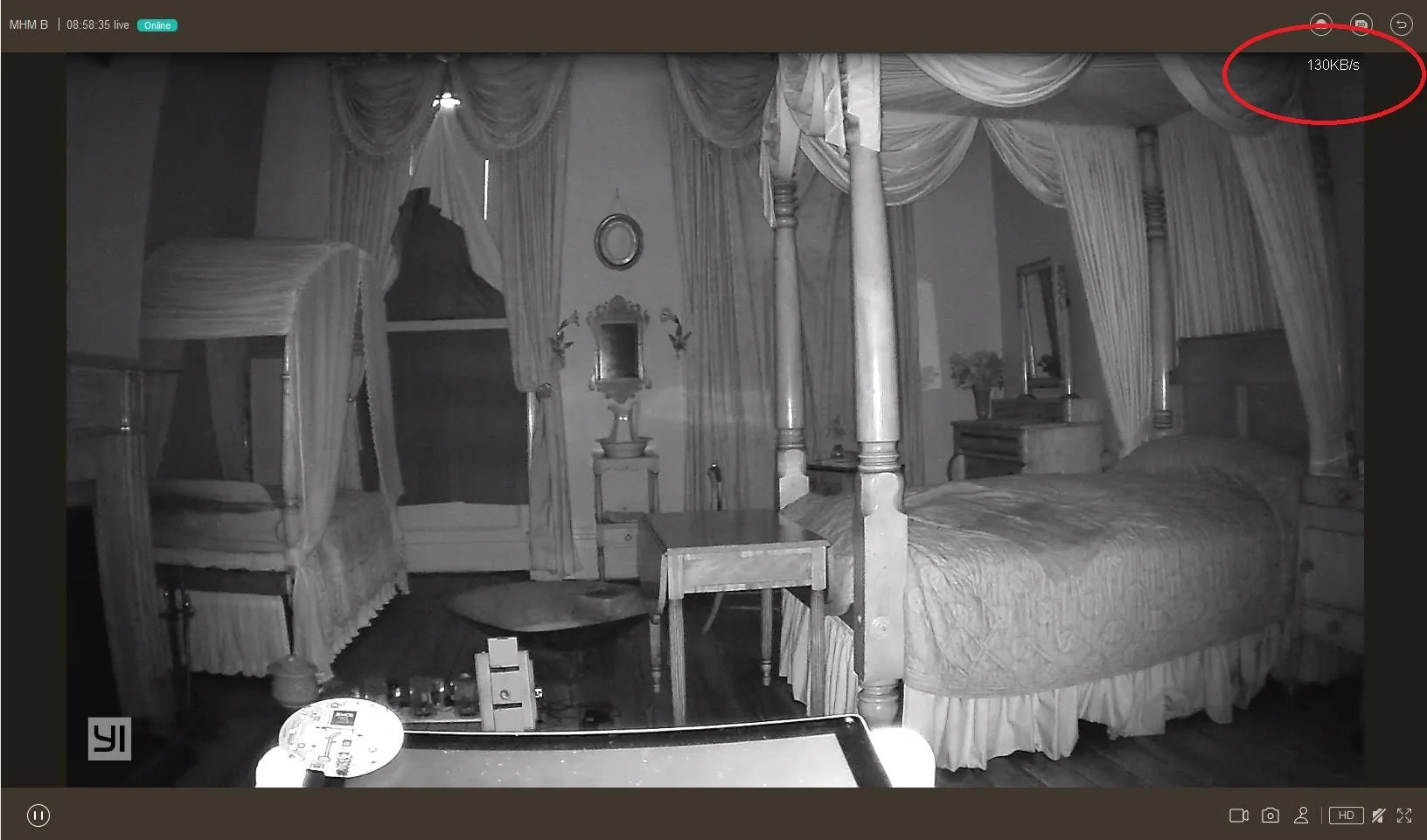
Working with a neuroscientist, Dr. Lee, we began conducting systematic research using specialized equipment developed for experiments inside the house invented and built by Dr. Lee. The goal was not simply to collect spooky recordings. It was to ask questions. Create repeatable experiments. Control variables wherever possible.
And see whether reported phenomena could be observed under increasingly controlled conditions. The Museum describes this work as research based on unbiased observation and systematic experimentation, and the project has continued beyond the shutdown.
That's the part of the Merchant's House story that interests me most. Not whether we can tell another ghost story. But whether we can learn something.
THE INVESTIGATION CONTINUES
Today, paranormal research remains part of the Merchant's House story. The Museum continues to present its history of reported phenomena, scientific research and investigations, including special candlelight tours featuring my work and findings at the house.
Nearly two centuries after the house was built, visitors still climb the steps at 29 East Fourth Street and enter rooms remarkably similar to those the Tredwells knew.
Maybe that's all they're entering: A beautifully preserved house. A remarkable piece of New York history. A National Historic Landmark. Or maybe preservation accomplished something nobody intended. Maybe the Merchant's House didn't just preserve the possessions of the people who lived there.
Maybe it preserved something of the people themselves.
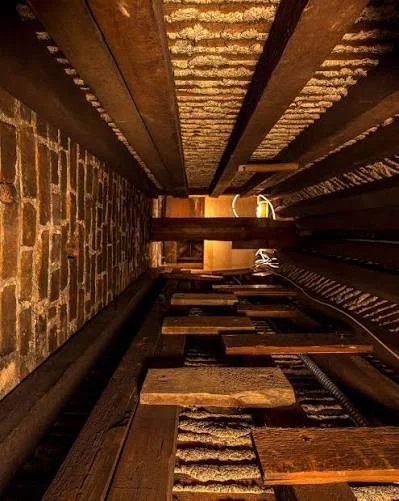
And recently, the Merchant’s House may have revealed another secret.